
Advanced Strategies for Water Damage Restoration
- Jon Porter

- 15 hours ago
- 4 min read
Water damage can bring a property to a halt. It threatens structural integrity, disrupts operations, and complicates insurance claims. For those managing commercial properties, municipal facilities, or industrial sites, restoring water-damaged spaces quickly and accurately is critical. The key lies in advanced restoration strategies that combine technical expertise, precise documentation, and efficient workflows. This approach builds trust with insurance professionals and ensures compliance with industry standards.
Understanding the Importance of Precision and Efficiency in Restoration
Water damage restoration is not just about drying out a building. It requires a scientific approach that captures every detail. Insurance carriers and adjusters expect clear, defensible data to process claims smoothly. Property managers and municipal officials need assurance that restoration will minimize downtime and protect public safety.
Efficiency means acting fast but also acting right. Quick response limits damage spread, but accuracy in estimates and documentation prevents costly disputes later. For example, using daily drying logs and grains-per-pound (GPP) tracking provides measurable proof of progress. This data supports claims and helps all parties understand the restoration timeline.
Accuracy in estimates is equally important. Overestimating can delay approvals and inflate costs. Underestimating risks incomplete restoration and future problems. A balanced, data-driven estimate builds confidence and speeds up decision-making.
Key Advanced Techniques in Water Damage Restoration
Scientific Structural Drying
Scientific structural drying uses moisture meters, thermal imaging, and controlled airflow to remove water efficiently. This method targets hidden moisture in walls, floors, and ceilings that traditional drying might miss. It reduces the risk of mold growth and structural weakening.
For example, desiccant structural drying is ideal for industrial facilities with sensitive machinery. It uses specialized equipment to lower humidity quickly without damaging equipment. This technique helps plants resume production faster, reducing financial losses.
Environmental Decontamination
Water damage often brings contamination risks, especially in municipal or police-related scenes. Proper environmental decontamination removes harmful substances like bacteria, chemicals, or hazardous residues. This step is crucial for public safety and regulatory compliance.
Specialized cleaning agents and protocols ensure thorough decontamination. For instance, after a fentanyl lab cleanup, restoration teams must document every step to satisfy health and safety inspectors. This documentation also supports insurance claims related to hazardous material exposure.
Rapid Expert Care with Defensible Data
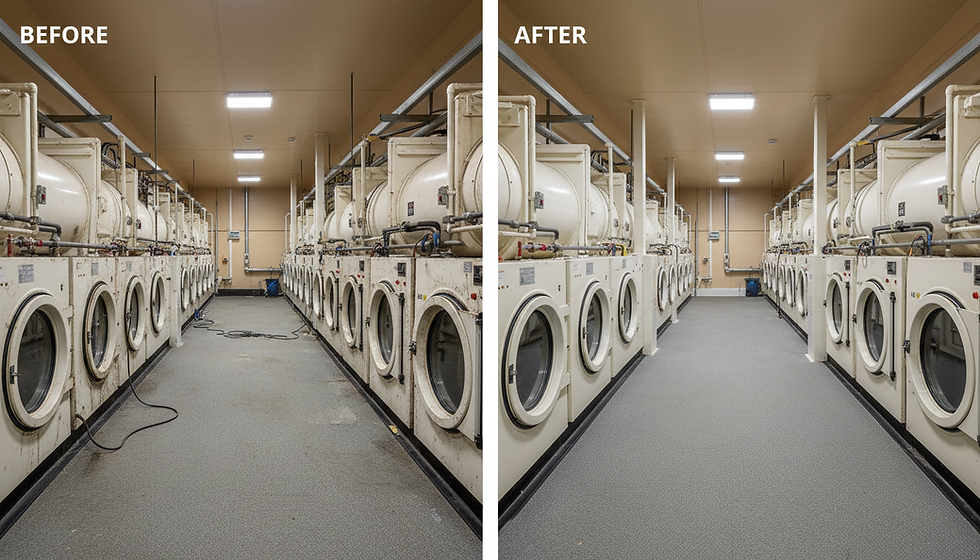
Combining rapid response with detailed documentation is a cornerstone of advanced restoration. Using digital photo inventories alongside daily drying logs creates a clear record of conditions before, during, and after restoration. This transparency builds trust with insurance adjusters and property owners.
Digital tools also improve communication. Restoration teams can share real-time updates with stakeholders, reducing misunderstandings and speeding approvals. This approach supports consistent messaging across web copy, emails, proposals, and reports.

Water damage restoration equipment in action on a commercial property wall.
Integrating Specialized Products for Better Outcomes
Using the right products can make a significant difference in restoration quality and speed. Two products stand out for their role in advanced water damage restoration:
DryMaster Pro Moisture Meter
This device provides precise moisture readings in various materials. It helps technicians identify hidden water pockets and monitor drying progress accurately. The DryMaster Pro supports detailed daily drying logs, essential for insurance documentation.
EcoClean Environmental Decontaminant
A powerful, safe cleaning agent designed for hazardous water damage sites. EcoClean removes bacteria, chemicals, and toxins without damaging surfaces. It is ideal for municipal and industrial restoration projects requiring strict safety standards.
Both products support a scientific restoration approach. The DryMaster Pro ensures accuracy in moisture measurement, while EcoClean guarantees thorough decontamination. Together, they help teams deliver efficient, documented restoration that insurance professionals trust.
Best Practices for Documentation and Communication
Clear, consistent documentation is the backbone of successful water damage restoration projects. It protects all parties and speeds up insurance claims.
Daily Drying Logs
Record moisture levels, equipment settings, and environmental conditions every day. Use tools like the DryMaster Pro to gather precise data. These logs show progress and justify the restoration timeline.
Digital Photo Inventories
Take photos before, during, and after restoration. Include close-ups of damage, equipment placement, and cleaned areas. Share these images with insurance adjusters to provide visual proof.
Detailed Estimates and Reports
Base estimates on measured data, not guesswork. Include line items for labor, equipment, materials, and decontamination. Provide clear explanations to avoid confusion.
Consistent Messaging
Use the same language and data points across all communication channels. Whether in web copy, emails, proposals, or reports, consistency builds credibility and trust.
How Advanced Restoration Supports Property Longevity and Public Safety
Restoration is more than fixing damage. It’s about securing the future of the property and the safety of its occupants. Scientific drying prevents mold and structural decay. Environmental decontamination removes health hazards. Accurate documentation ensures compliance and smooth insurance processing.
For commercial properties, this means less downtime and fewer disputes. Municipal facilities can reopen safely and meet regulatory standards. Industrial sites avoid costly production delays. High-value residential properties receive sensitive, thorough care.
By combining rapid expert care with defensible data, restoration teams restore stability to communities facing complex property crises.

Choosing the Right Restoration Partner
Selecting a restoration partner who understands these advanced strategies is crucial. Look for teams that:
Use scientific drying methods and specialized equipment like the DryMaster Pro.
Follow strict environmental decontamination protocols with products like EcoClean.
Provide detailed, data-driven documentation and clear communication.
Have experience with complex commercial, municipal, and industrial projects.
Understand insurance requirements and support efficient claim processing.
This approach ensures restoration is fast, accurate, and defensible. It protects property value and public safety while building trust with insurance professionals.
Final Thoughts on Advanced Water Damage Restoration
Water damage restoration demands more than quick fixes. It requires a precise, data-driven approach that balances speed with accuracy. Using scientific drying, thorough decontamination, and detailed documentation creates a strong foundation for successful restoration.
Incorporating tools like the DryMaster Pro moisture meter and EcoClean environmental decontaminant enhances outcomes. These products support the technical care and safety standards needed for complex projects.
If you manage properties affected by water damage, consider these advanced strategies. They help secure property longevity and public safety while simplifying insurance claims. For example, when handling commercial property water damage restoration, this approach makes all the difference.
Taking these steps builds trust, reduces downtime, and restores stability to your property and community.


Comments