
Effective Level 5 Hoarding Cleanup in Wisconsin: Proven Hoarding Cleanup Techniques
- Jon Porter

- May 12
- 3 min read
When it comes to managing extreme hoarding situations, especially those classified as Level 5, the stakes are high. These cases demand precision, efficiency, and a deep understanding of restoration science. I’m here to share clear, data-driven insights on how to approach hoarding cleanup techniques that not only restore properties but also ensure safety, compliance, and long-term stability.
Understanding the Complexity of Level 5 Hoarding Cleanup
Level 5 hoarding cleanup is the most severe category, involving extensive clutter, biohazards, and structural damage. These environments pose significant health risks, including mold, bacteria, and pest infestations. The cleanup process requires a multi-disciplinary approach combining environmental science, structural drying, and specialized waste removal.
Key challenges include:
Navigating hazardous materials safely
Documenting every step for insurance and legal purposes
Minimizing downtime for property owners or managers
Coordinating with multiple stakeholders, including municipal officials and insurance adjusters
The goal is to restore the property to a safe, habitable condition while providing detailed documentation that supports insurance claims and regulatory compliance.

Proven Hoarding Cleanup Techniques for Maximum Efficiency
Effective hoarding cleanup techniques focus on a systematic, step-by-step process that prioritizes safety, accuracy, and speed. Here’s a breakdown of the most critical methods I recommend:
1. Comprehensive Assessment and Documentation
Before any physical work begins, a thorough assessment is essential. This includes:
Visual inspection and hazard identification
Digital photo inventory of all affected areas
Moisture mapping and air quality testing
Detailed notes on structural integrity and biohazard presence
This data forms the backbone of your cleanup plan and insurance documentation.
2. Controlled Debris Removal and Sorting
Sorting items into categories (salvageable, hazardous, waste) is crucial. This step reduces contamination risks and streamlines disposal. Use personal protective equipment (PPE) and follow OSHA guidelines strictly.
3. Deep Cleaning and Decontamination
After debris removal, the space must be sanitized using EPA-approved disinfectants. This step addresses biohazards such as mold, bacteria, and chemical residues.
4. Scientific Structural Drying
Moisture control is vital to prevent mold regrowth and structural decay. Employ industrial-grade dehumidifiers and air movers, monitored with daily drying logs and grains-per-pound (GPP) tracking to ensure optimal drying conditions.
5. Final Inspection and Reporting
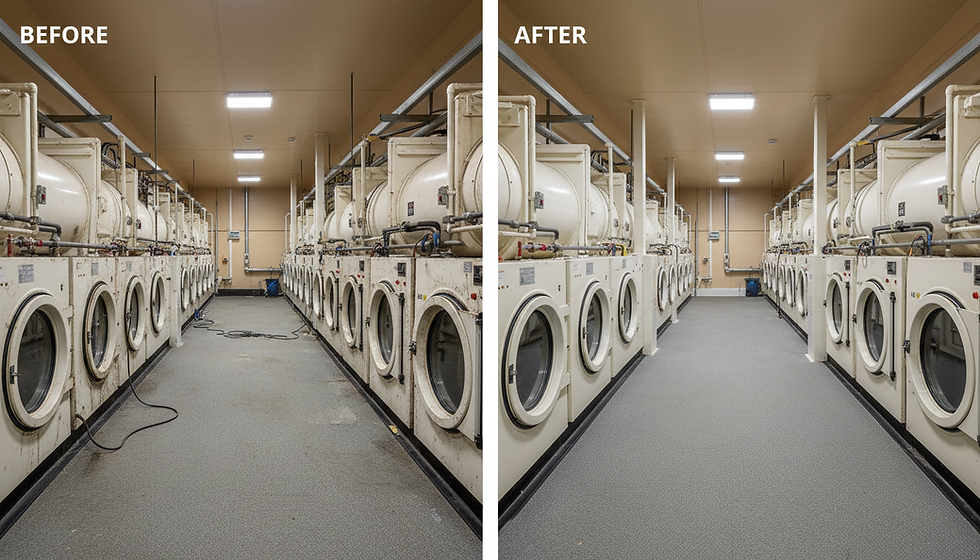
Once cleanup and drying are complete, conduct a final walkthrough with stakeholders. Provide a comprehensive report including before-and-after photos, drying logs, and compliance certificates.

The Role of Documentation in Streamlining Insurance Claims
Insurance carriers and adjusters require precise, defensible data to process claims efficiently. In my experience, the difference between a smooth claim and a prolonged dispute often lies in the quality of documentation.
Best practices include:
Maintaining daily logs of drying and cleaning progress
Using digital photo inventories to capture conditions before, during, and after cleanup
Providing detailed estimates with line-item costs and timelines
Ensuring all reports are consistent across emails, proposals, and final documentation
This approach builds trust and speeds up claim approvals, reducing downtime and financial uncertainty.
Coordinating with Municipal and Commercial Stakeholders
Level 5 hoarding cleanup often intersects with municipal regulations and commercial property management requirements. Here’s how to align your efforts with these stakeholders:
Municipal Officials: Ensure compliance with local health and safety codes. Provide transparent communication and documentation to support public safety initiatives.
Commercial Property Managers: Minimize operational disruption by scheduling work during off-hours and providing clear timelines. Emphasize the importance of rapid restoration to protect asset value.
Industrial Facility Directors: Focus on precision decontamination to protect sensitive machinery and maintain production schedules.
By understanding these priorities, you can tailor your cleanup strategy to meet diverse needs effectively.
Why Choosing the Right Cleanup Partner Matters
Handling a Level 5 hoarding cleanup is not a DIY project. It requires specialized training, equipment, and a scientific approach to restoration. Selecting a partner who understands the technical and regulatory complexities ensures:
Faster turnaround times
Accurate, defensible estimates
Compliance with environmental and safety standards
Peace of mind for all parties involved
If you’re looking for expert assistance, consider professionals who specialize in level 5 hoarding cleanup wisconsin to guarantee the highest standards of service.
Moving Forward with Confidence and Clarity
Effective hoarding cleanup is about more than just removing clutter. It’s a technical, data-driven process that restores safety, protects property value, and supports insurance and regulatory compliance. By applying proven hoarding cleanup techniques, you can navigate even the most challenging Level 5 situations with confidence.
Remember, the key to success lies in thorough assessment, precise documentation, and scientific restoration methods. With these tools, you’ll secure long-term property stability and contribute to healthier, safer communities across Wisconsin.


Comments