
Factors Affecting Disaster Restoration Costs: What You Need to Know About Disaster Restoration Costs
- Jon Porter

- May 12
- 4 min read
When disaster strikes, the clock starts ticking. Whether it’s water damage, fire, or hazardous material contamination, the restoration process must be swift, precise, and well-documented. But how do you estimate the costs involved? What factors drive those numbers? I’m here to cut through the noise and give you a clear, data-driven breakdown of the key elements that affect disaster restoration costs. This knowledge is essential for anyone managing high-value properties, municipal infrastructure, or insurance claims that demand accuracy and efficiency.
Understanding Disaster Restoration Costs: The Basics
Disaster restoration costs are not a one-size-fits-all figure. They vary widely depending on the type of disaster, the extent of damage, and the specific restoration methods required. Here’s a quick overview of the main cost drivers:
Type of Disaster: Water, fire, mold, or chemical contamination each require different approaches and equipment.
Severity of Damage: Minor water intrusion costs far less than a full structural rebuild after a fire.
Size and Complexity of Property: Larger or more complex buildings need more labor and materials.
Time Sensitivity: Faster response times often mean higher costs but reduce long-term damage.
Regulatory Compliance: Some projects require specialized documentation and adherence to strict environmental or safety standards.
For example, a municipal building contaminated by hazardous materials will require specialized environmental decontamination, which is more expensive than standard water extraction and drying.
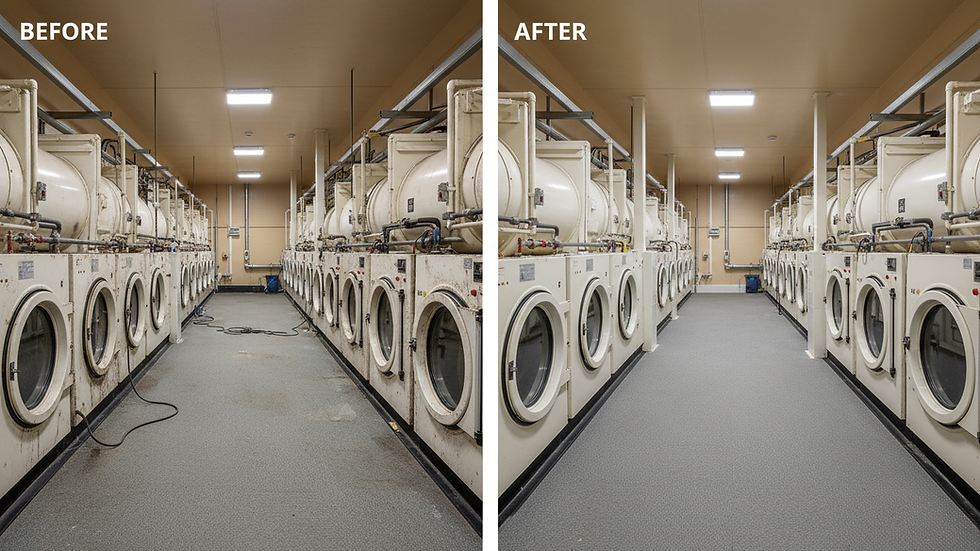
Key Factors That Influence Disaster Restoration Costs
Let’s dive deeper into the specific factors that impact restoration pricing. Understanding these will help you prepare accurate estimates and manage expectations.
1. Type and Extent of Damage
The nature of the disaster is the primary cost determinant. Water damage restoration might involve extraction, drying, and mold prevention. Fire damage restoration includes soot removal, structural repairs, and odor control. Chemical or biohazard cleanup requires specialized containment and disposal procedures.
Water Damage: Costs depend on water category (clean, gray, or black water) and affected materials.
Fire Damage: Includes demolition, smoke damage cleaning, and reconstruction.
Hazardous Materials: Requires certified technicians and strict safety protocols.
2. Size and Layout of the Property
Square footage and building complexity directly affect labor hours and equipment needs. High-occupancy commercial properties or industrial plants with sensitive machinery require more detailed planning and execution.
3. Equipment and Technology Used
Advanced drying technology, such as desiccant dehumidifiers and thermal imaging, improves efficiency but adds to upfront costs. Scientific restoration methods that track grains-per-pound (GPP) and use daily drying logs ensure accuracy and defensible documentation, which is critical for insurance claims.
4. Labor and Expertise
Highly trained technicians, especially those certified in specialized restoration fields, command higher rates. Projects involving hazardous materials or complex machinery decontamination require expert teams.
5. Timeframe and Urgency
Emergency response services often come at a premium. However, rapid intervention reduces secondary damage and overall restoration costs. Delays can lead to mold growth, structural weakening, or contamination spread.
6. Regulatory and Documentation Requirements
Projects involving public infrastructure or sensitive scenes (e.g., police-related cleanups) require meticulous documentation and compliance with local, state, and federal regulations. This adds administrative overhead and specialized labor costs.
7. Geographic Location and Accessibility
Remote or difficult-to-access sites increase transportation and setup costs. In Wisconsin, for example, seasonal weather conditions can affect restoration timelines and pricing.
For a detailed, location-specific estimate, you can explore disaster restoration pricing wisconsin.
Is Fire Restoration Expensive?
Fire restoration is often perceived as one of the most costly disaster recovery processes. And for good reason. The damage caused by fire is usually extensive, affecting structural elements, electrical systems, and interior finishes. Here’s why fire restoration costs can be high:
Demolition and Debris Removal: Burned materials must be safely removed and disposed of.
Smoke and Soot Cleanup: Specialized cleaning agents and equipment are necessary to eliminate residues.
Odor Removal: Advanced techniques like ozone treatment or thermal fogging are used.
Structural Repairs: Rebuilding damaged walls, ceilings, and floors can be labor-intensive.
Electrical and HVAC System Checks: Fire can compromise wiring and ventilation, requiring expert inspection and repair.
Despite the high costs, investing in professional fire restoration is crucial to ensure safety, prevent further damage, and comply with insurance requirements. Accurate documentation, including photo inventories and detailed reports, supports claim processing and helps avoid disputes.

How Documentation and Scientific Methods Impact Costs
One of the most overlooked factors in disaster restoration costs is the role of documentation and scientific restoration methods. These practices might add to upfront expenses but save money and time in the long run by:
Providing Defensible Data: Daily drying logs, GPP tracking, and photo inventories create a transparent record for insurance adjusters.
Improving Efficiency: Scientific drying methods reduce guesswork, ensuring faster drying times and less material replacement.
Reducing Liability: Proper documentation protects property managers and municipal officials from compliance issues.
Streamlining Claims: Accurate, data-backed reports speed up insurance approvals and reduce disputes.
For commercial and municipal projects, these benefits translate into minimized downtime and better resource allocation.
Practical Recommendations for Managing Restoration Costs
To keep disaster restoration costs manageable without sacrificing quality or compliance, consider these actionable tips:
Engage Experts Early: Rapid assessment by certified restoration professionals prevents secondary damage.
Prioritize Scientific Restoration: Use data-driven drying and decontamination methods to optimize results.
Maintain Detailed Records: Document every step with photos, logs, and reports to support insurance claims.
Plan for Compliance: Understand local regulations and prepare for necessary permits and inspections.
Communicate Clearly: Keep all stakeholders informed with consistent, accurate updates.
Evaluate Equipment Needs: Invest in or rent advanced drying and cleaning technology appropriate for the disaster type.
Consider Long-Term Property Value: Sometimes higher upfront costs preserve asset longevity and reduce future expenses.
By following these guidelines, you can secure property stability and public safety while controlling restoration expenses.
Final Thoughts on Disaster Restoration Costs
Disaster restoration costs are influenced by a complex mix of factors, from the type of damage to regulatory requirements and scientific methods. Understanding these elements helps you make informed decisions, prepare accurate estimates, and ensure efficient, compliant restoration projects.
Whether managing a high-value commercial property, municipal infrastructure, or an industrial facility, the goal remains the same: restore stability quickly and defensibly. By combining rapid expert care with data-driven processes, you protect assets and communities alike.
If you want to explore specific pricing details tailored to Wisconsin, check out disaster restoration pricing wisconsin for reliable, localized information.
Restoration is not just about fixing damage - it’s about rebuilding trust, safety, and resilience. And that’s a mission worth every dollar spent.


Comments